
Dropsipping
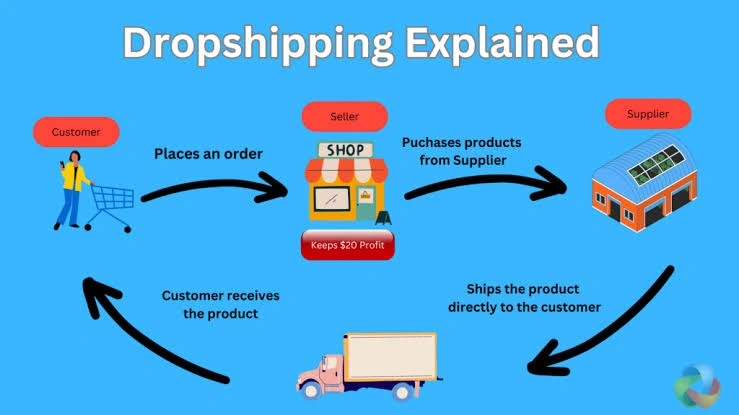
Dropshipping is an e-commerce business model where a retailer sells products to customers without holding any inventory. Instead of storing products themselves, the retailer partners with a supplier or manufacturer who ships the products directly to the customer. Here's a full breakdown of how dropshipping works, its advantages, and challenges.
1. How Dropshipping Works
The dropshipping process typically follows these steps:
- Customer places an order: A customer visits your online store and purchases a product.
- Order is forwarded to supplier: After receiving the order, you (the retailer) send the customer order details to the supplier or manufacturer.
- Supplier ships the product: The supplier then fulfills the order by packaging and shipping the product directly to the customer.
- You earn a profit: The retailer earns the difference between the retail price (what the customer paid) and the wholesale price (what the supplier charges).
2. Roles Involved in Dropshipping
- Retailer (You): Owns the online store, markets products, and handles customer service.
- Supplier/Manufacturer: The company that produces or stocks the products and ships them directly to the customer on behalf of the retailer.
- Customer: The end buyer who makes the purchase from your online store.
3. Pros of Dropshipping
- Low Startup Costs: No need to invest in inventory or warehouse space. You only buy the products after the customer has placed an order.
- Low Overhead: With no need to handle inventory or shipping logistics, operating costs are typically lower.
- Wide Product Range: You can offer a wide variety of products without the need to pre-purchase inventory.
- Location Independence: As long as you have an internet connection, you can run a dropshipping business from anywhere.
- Scalability: You don’t need to worry about physical inventory when scaling the business since the supplier handles fulfillment.
4. Cons of Dropshipping
- Lower Profit Margins: Since you are purchasing products from a supplier at wholesale prices, the margins can be relatively low.
- Less Control Over Inventory: You rely on your suppliers to have stock available and to ship products in a timely manner.
- Shipping Complexities: If you source products from multiple suppliers, shipping costs and times can vary, leading to confusion or delays.
- Customer Service Challenges: Handling customer complaints and returns can be difficult since you don’t control the shipping process or product quality.
- Highly Competitive: Dropshipping is easy to enter, which means there is a lot of competition in popular niches, which can drive down profits.
5. Choosing a Dropshipping Supplier
Your supplier plays a crucial role in your dropshipping business. Some popular dropshipping platforms include:
- AliExpress: A popular platform for finding products, especially for global shipping.
- Oberlo: Integrates with Shopify and connects with suppliers, mainly in China.
- SaleHoo: Offers a directory of suppliers that provide dropshipping services.
- Spocket: Focuses on suppliers from the US and Europe, allowing for faster shipping times compared to Asian suppliers.
- Printful: Ideal for print-on-demand businesses (e.g., custom shirts, mugs).
6. Choosing a Niche
Finding the right niche is crucial for success in dropshipping. A niche allows you to target a specific audience and reduce competition. When choosing a niche, consider:
- Profitability: High-ticket products tend to yield better profit margins.
- Market demand: Research trending products or niches using tools like Google Trends, social media, or market analysis sites.
- Low competition: The more unique the niche, the fewer competitors you’ll face.
- Passion: Choose something you’re interested in or have knowledge of to help with marketing and customer service.
7. Creating Your Dropshipping Store
Select a Platform: Choose an e-commerce platform to build your online store. Popular options include:
- Shopify: Easy-to-use with many dropshipping integrations.
- WooCommerce: A plugin for WordPress that allows you to sell products.
- BigCommerce: Another e-commerce solution with dropshipping support.
- Wix or Squarespace: Suitable for those seeking an easy drag-and-drop site builder.
Design and Branding: Focus on creating an attractive, user-friendly design with a simple checkout process.
Add Products: Use tools like Oberlo or Spocket to easily import products into your store.
Payment Gateway: Set up a secure payment gateway to accept credit cards and other payment methods.
8. Marketing Your Dropshipping Store
To attract customers to your store, you need to implement various marketing strategies:
- Social Media Marketing: Use platforms like Instagram, Facebook, Pinterest, or TikTok to reach potential customers.
- Search Engine Optimization (SEO): Optimize your store's content to rank higher in search engines.
- Paid Advertising: Invest in Facebook Ads, Google Ads, or influencer marketing to promote your products.
- Email Marketing: Build an email list to send promotions, newsletters, and abandoned cart reminders.
- Content Marketing: Start a blog to attract traffic with useful content that promotes your products.
9. Managing Your Business
- Customer Service: Provide excellent customer service to resolve issues related to shipping, returns, or refunds.
- Track Metrics: Use tools like Google Analytics to track website traffic and sales.
- Order Fulfillment: Monitor your orders to ensure suppliers are fulfilling them on time and customers are receiving their products.
- Customer Reviews: Collect and display reviews on your products to build trust with potential buyers.
10. Legal Considerations
- Business Registration: Register your business to legally operate and pay taxes.
- Tax Compliance: Understand the tax laws in your country and the regions you sell to.
- Terms & Conditions/Privacy Policy: Create clear policies on your website regarding returns, shipping, and data protection.
11. Common Challenges in Dropshipping
- Supplier Issues: Finding reliable suppliers who ship on time and maintain product quality is essential.
- Customer Expectations: Managing customer expectations on delivery times, especially if you are sourcing products from overseas.
- Price Wars: Competing with other dropshippers or larger companies on price can eat into your profits.
- Returns and Refunds: Dealing with returns can be complicated, as you might have to coordinate with the supplier.
Conclusion
While dropshipping offers a relatively low-cost way to start an online business, it also comes with challenges such as low profit margins, dependency on suppliers, and customer service issues. Success in dropshipping depends on choosing a profitable niche, selecting reliable suppliers, effectively marketing your store, and providing excellent customer service. By staying informed and adapting to market changes, you can build a sustainable dropshipping business.
4o mini